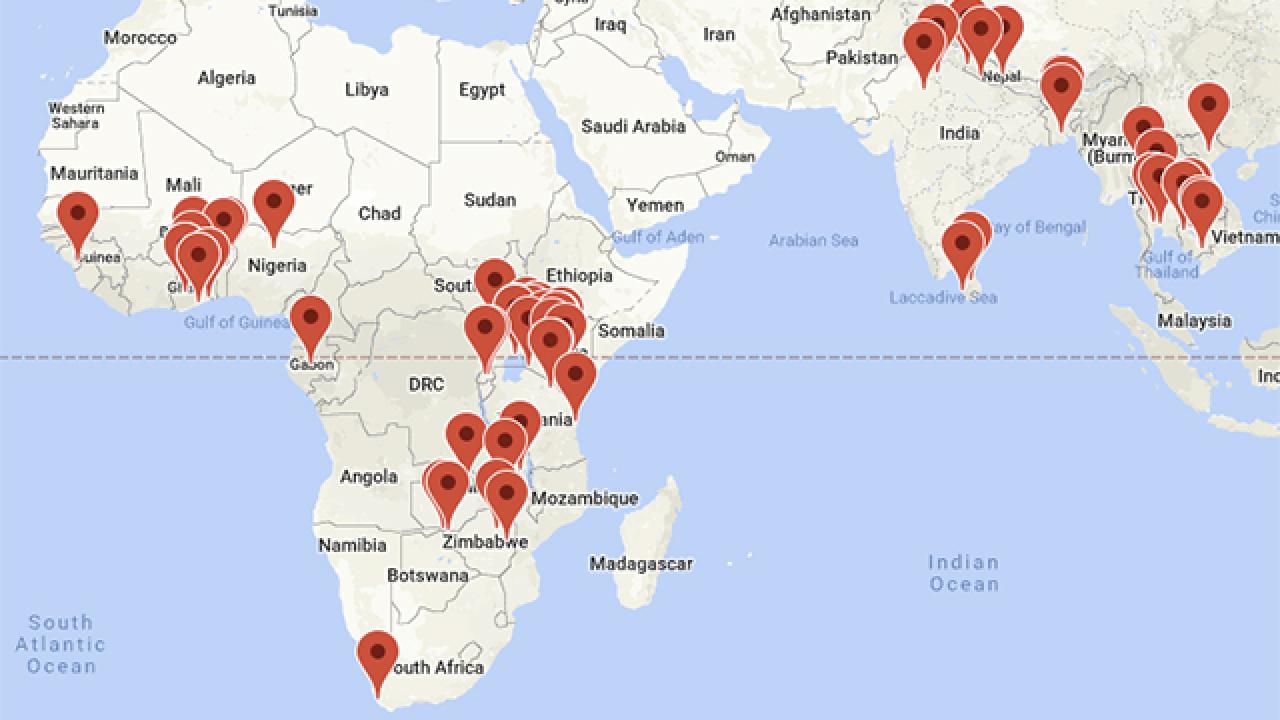
Click and drag map to view project locations in Africa, Asia and Latin America with brief descriptions and links to project pages. Or view Horticulture CRSP Projects within Google Maps.
Looking for more horticultural projects?
The map above includes Horticulture CRSP projects.
Our map of horticultural projects worldwide includes projects led by additional organizations.
Projects overview
Horticulture CRSP has funded 61 projects in more than 30 countries so far. We support horticultural research that builds local institutional capacity while addressing issues of poverty, health, nutrition and gender.
In addition to the projects listed below, Horticulture CRSP also pairs graduate students with organizations in developing countries each year for Trellis Fund projects.
Horticulture CRSP projects span the value chain of vegetable and fruit production:
Seed systems and germplasm
Sustainable production of horticultural crops
Postharvest practices
Food safety
Market access
Nutrition
Enabling environment
Seed systems and germplasm
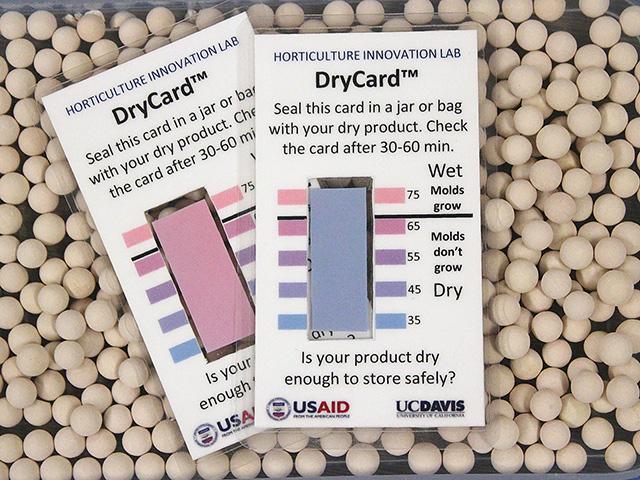
- Implementing drying beads for seeds: Nepal, Bangladesh, Kenya, Tanzania, Uganda, Rwanda
Kent Bradford of University of California, Davis, leads "Seed Systems – Improving Seed Quality for Smallholders" (~$1 million) - Producing local, disease-resistant vegetable seed: El Salvador, Guatemala, Honduras, Nicaragua
James Neinhuis of University of Wisconsin-Madison leads "Semillas de Esperanza: Vegetable Seeds for Sustainable Agriculture" (~$500,000) - Introducing new seed storage technologies: India, Nepal, Thailand
Kent Bradford of UC Davis, led "New Technology for Postharvest Drying and Storage of Horticultural Seeds" (~$150,000) - Evaluating local tomato and chili varieties for disease resistance: El Salvador, Honduras, Nicaragua
James Neinhuis of University of Wisconsin-Madison led "Sustainable Production and Marketing of Vegetables in Central America" (~$150,000) - Strengthening indigenous seed systems: Bangladesh, Cambodia, Laos, Thailand, Vietnam
Rick Bates at Penn State led "Strengthening Indigenous Informal Seed Systems in Southeast Asia" (~$75,000)
Sustainable production of horticultural crops
- Demonstrating nets and floating row covers: Benin, Kenya
Mathieu Ngouajio of Michigan State University leads "Developing Low-Cost Pest Exclusion and Microclimate Modification Technologies for Small-Scale Vegetable Growers" (~$500,000) - Training plant diagnosticians: Costa Rica, El Salvador, Guatemala, Honduras, Nicaragua, Mexico, Panama
Jean Ristaino of North Carolina State University led "Deployment of Rapid Diagnostic Tools for Phytophthora on Horticultural Crops in Central America" (~$150,000) - Improving bell pepper production in passively ventilated structures: Costa Rica, Dominican Republic, Haiti, Honduras, Nicaragua
Bielinski Santos of University of Florida led "Improving Fruit Postharvest Quality through Best Management Practices for Perishable Vegetable Production in Protective Structures" (~$150,000) - Increasing production of indigenous African leafy vegetables: Kenya, Tanzania
Stephen Weller of Purdue University led "Indigenous African Leafy Vegetables (ALV) for Enhancing Livelihood Security of Smallholder Farmers in Kenya" (~$150,000) - Testing a gender-tailored extension model: Kenya
Steve Fennimore of UC Davis leads "Employing a Novel Gender-Based Extension Model to More Effectively Train and Engage Horticultural Farmers" (~$75,000) - Increasing smallholder use of grafting and tunnels for tomatoes and peppers: Kenya, Tanzania, Uganda
Matthew Kleinhenz of The Ohio State University leads "Educating Smallholder Vegetable Farmers in Grafting and Microclimate Management Techniques" (~$75,000) - Testing cell phone-based extension services: India, Nepal, Sri Lanka
Mywish Maredia of Michigan State University leads "Cell Phone Enabled Personalized Agro-Advisory Services for Horticultural Crops in South Asia" (~$75,000) - Supporting urban and peri-urban gardeners in commercial production: Cambodia, Vietnam, Thailand
Dharma Pitchay of Tennessee State University leads "Training Urban and Peri-Urban Horticultural Growers in Cropping Systems, Pre- and Postharvest Handling, and Marketing Techniques" (~$75,000) - Establishing GIS data for horticultural projects: Malawi
Darcy Boellstorff at Bridgewater State University led "Geographic Information Accessibility for Improving Horticultural-Based Income Generation in the Mzimba District of Malawi" (~$75,000)
Postharvest practices
- Opening a regional postharvest training center: Benin, Gabon, Ghana, Kenya, Rwanda, Tanzania
Diane Barrett of UC Davis leads "Extension of Appropriate Postharvest Technology in Sub-Saharan Africa: A Postharvest Training and Services Center" (~$500,000) - Improving postharvest practices with local market support: Zambia
Jim Simon of Rutgers, The State University of New Jersey, leads "Sustainable Development of Horticultural Crops in Zambia by Introducing Postharvest Technologies and Practices for Food Security, Income Generation and in Support of the Tourism Industry" (~$250,000) - Developing a concentrated solar dryer: Tanzania
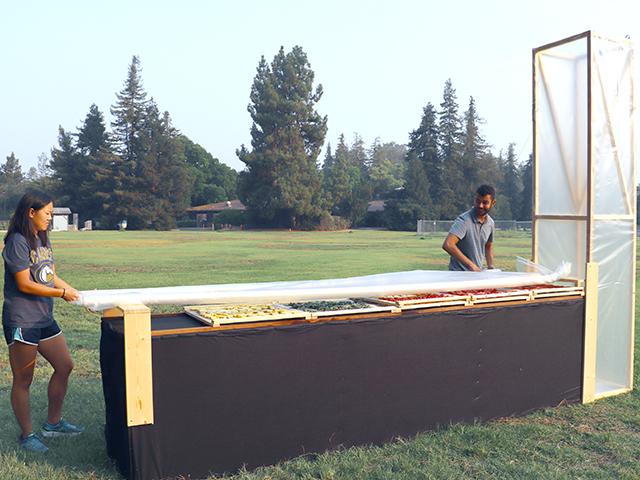
Diane Barrett of UC Davis led "Concentrated Solar Drying of Mango and Tomato" (~$150,000) - Developing a postharvest alternative to fungicide: Sri Lanka
Robert Paull of University of Hawaii at Manoa led "Biological-Based Postharvest Quality Maintenance and Disease Control for Mango and Papaya" (~$150,000) - Demonstrating low-cost cooling technology: Honduras, India, Uganda
Michael Reid of UC Davis led "Coolrooms and Cool Transport for Small-Scale Farmers" (~$150,000) - Strengthening local expertise in postharvest practices: Cambodia, Vietnam
Robert Paull of University of Hawaii at Manoa leads "Integrated Postharvest Extension Program for Cambodia and Vietnam" (~$75,000)
Food safety
- Delivering food safety education through social networks: Guatemala, Honduras, Nicaragua
Jeffrey LeJeune of The Ohio State University leads "Delivering Vegetable Safety Education through Established Social Networks" (~$150,000) - Improving tomato production through local GAPs: Nigeria
Sally Miller of The Ohio State University led "Enhancing Trade in Horticultural Crops through Food Safety and Phytosanitary Measures" (~$150,000) - Increasing food safety through a regional consortium: Bangladesh, India
Ronnie Coffman of Cornell University leads "A Regional Approach to Food Safety for Fruits and Vegetables in Bangladesh" (~$75,000)
Marketing
- Strengthening value chain for African indigenous vegetables: Kenya, Tanzania, Zambia
Stephen Weller of Purdue University leads "Sustainable African Indigenous Vegetable Production and Market-Chain Development for Improved Health and Nutrition and Income Generation by Smallholder Farmers" (~$1 million) - Creating a market niche for 'food-safe' vegetables: Cambodia, Vietnam
Cary Trexler at UC Davis leads "Increasing Food Safety and Creating a Niche in the Market for Smallholders by Educating Them in Production, Postharvest, Food Safety, and Marketing and Branding their Produce According to Specific Food Safety Standards" (~$500,000) - Improving marketing capacity for specialty crops: Ghana
James Simon at Rutgers University led "Sustainable Production of Specialty Horticultural Crops in Ghana for Income Generation and Increased Export Value" (~$150,000) - Improving vegetable quality with local market support: Zambia
James Simon at Rutgers University led "Sustainable Development of Horticultural Crops in Zambia for Food Security, Income Generation and in Support of the Tourism Industry" (~$150,000) - Evaluating support for smallholder production of paprika and tomatoes: Zimbabwe
Hans Christian Wien at Cornell University leads "Evaluating the Support Structure for Production and Marketing of Tomatoes and Paprika Among Smallholders" (~$75,000)
Nutrition
- Strengthening the value chain for orange- and purple-fleshed sweet potatoes: Ghana
Eunice Bonsi of Tuskegee University leads "Sustainable Technology for Orange and Purple Sweetpotato (STOPS)" (~$250,000) - Increasing nutrients in traditional diets with orange-fleshed sweet potatoes: Ghana
Eunice Bonsi of Tuskegee University led "Concentrated Nutritional and Economic Enhancement of Ghanaian Traditional Diets, Using Orange-Fleshed Sweetpotato Products" (~$150,000)
Enabling environment
- Developing a participatory extension model to enhance smallholder production and marketing: Democratic Republic of Congo, Uganda
Kate Scow of UC Davis leads "Increasing the Capacity of Smallholder Farmers to Produce and Market Vegetable Crops" (~$500,000) - Developing energy solutions for horticultural production: Honduras, Kenya, Thailand
Kurt Kornbluth and James Thompson of UC Davis lead "Innovative Energy Solutions in Horticulture" (~$100,000) - Expanding the floral industry: Honduras
Alan Bennett of UC Davis led "Building an Ornamental Plant Industry in Honduras" (~$150,000) - Integrating Rooibos tea farmers with fair-trade markets: South Africa
Laura Raynolds of Colorado State University led "Improving Market Access for Emerging South African Rooibos Farmers" (~$150,000) - Strengthening farmer groups to increase fruit and vegetable production: Uganda
Kate Scow of UC Davis led "Promoting Fruit and Vegetable Production to Improve Nutrition in Nkokonjeru, Uganda" (~$150,000) - Improving outreach methods to small-scale fruit and vegetable farmers: Bolivia, Chile, Ecuador, Guatemala, Honduras, Peru
Jeffrey LeJeune of Ohio State leads "Improving Extension Methods for Horticultural Outreach Among Small-Stakeholder Farmers in Latin American Countries" (~$75,000)
Looking for more horticultural projects around the world? We also have a map of horticultural projects throughout the world with projects and information supplied by additional organizations. The map is searchable by country, region, category and project description.
Funding for these projects is made possible by the generous support of the American people through the United States Agency for International Development (USAID) under Award No. EPP-A-00-09-00004.